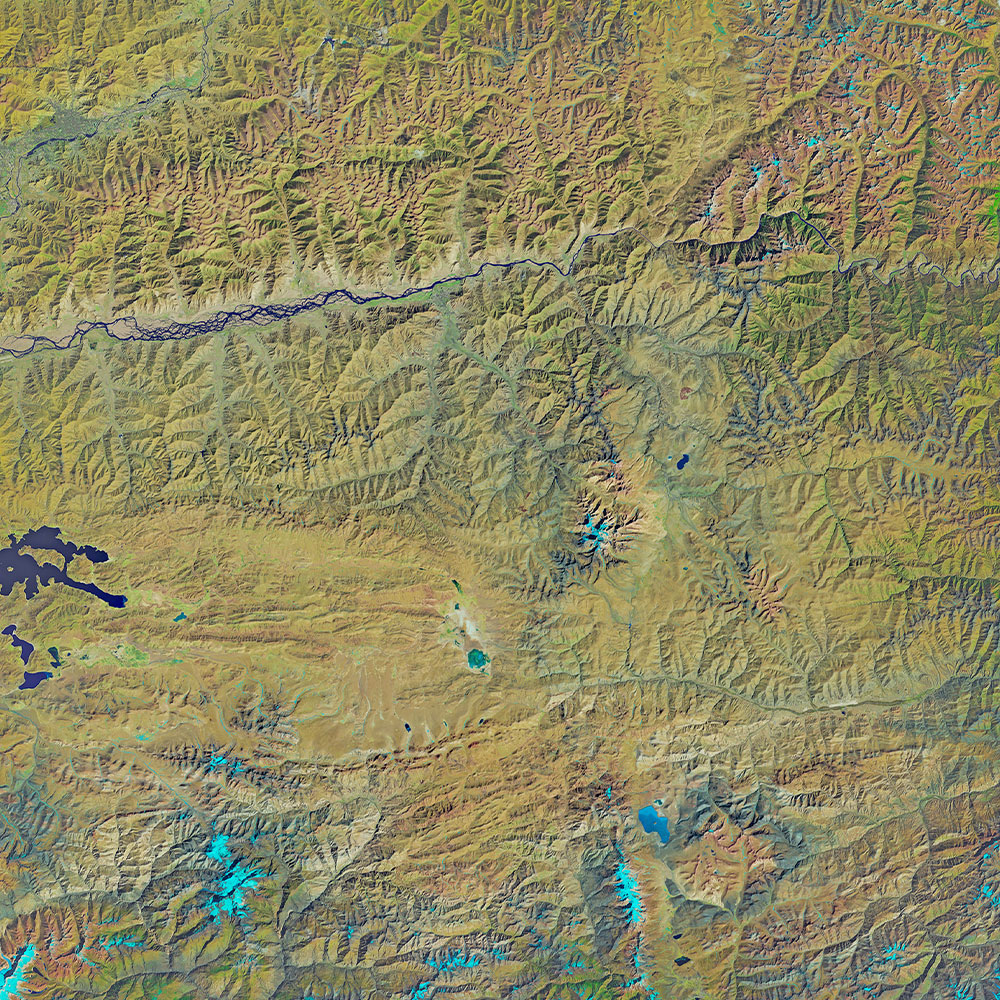
Mud
Materiality, Territory & Process..
Download PDF
Issue 07
JOURNAL 01 — MUD
Water, Cycles, Bodies & Relations
01 / MATERIALITY
Yanchama, our Second Skin
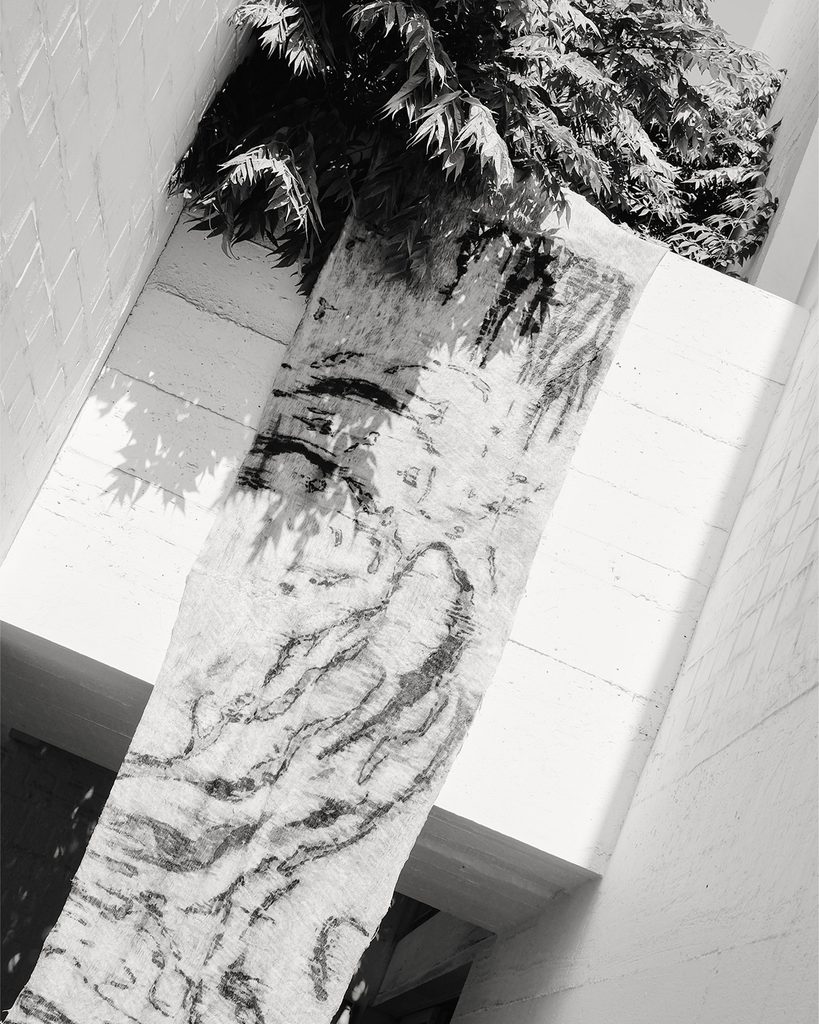
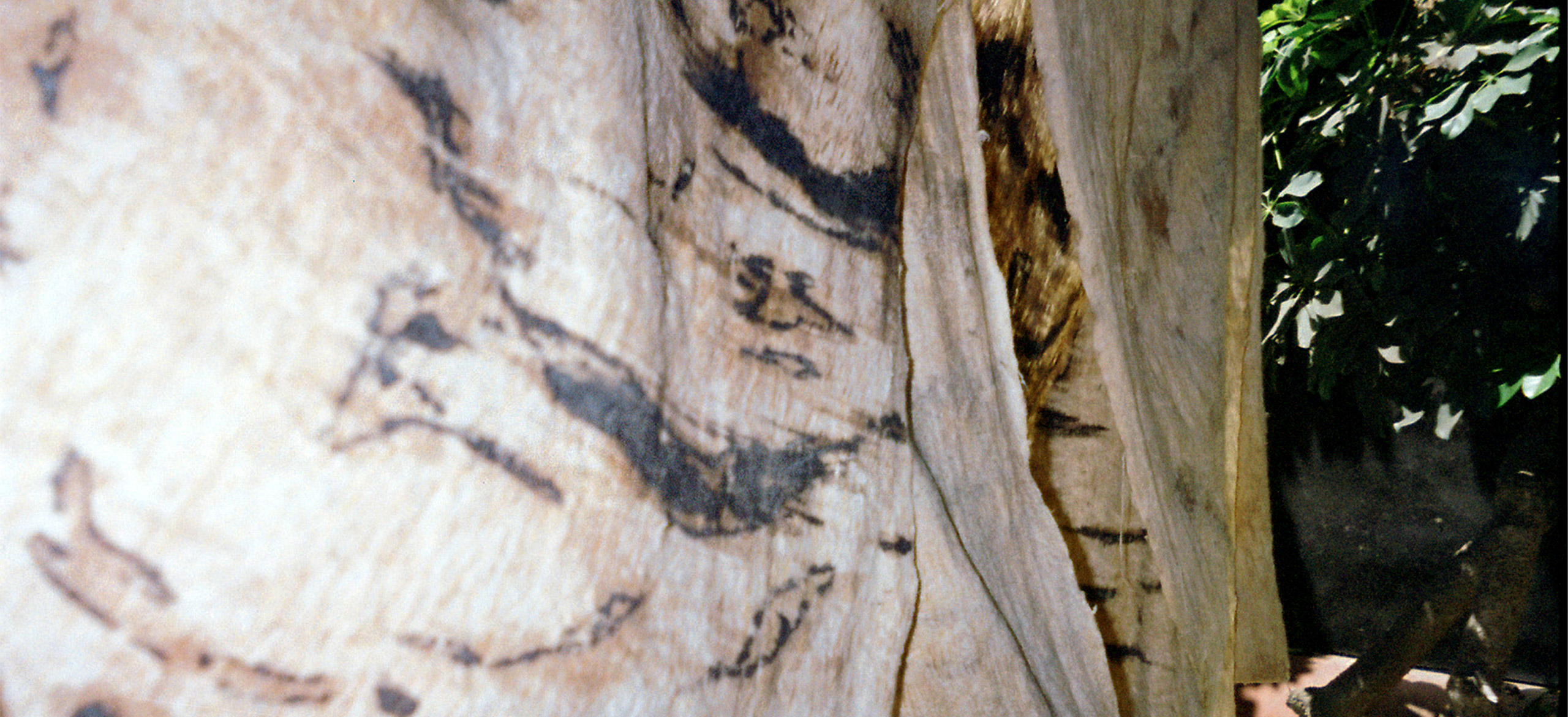
In tropical forests, the boundaries between bodies, materials and territories are constantly shifting. Trees breathe, water circulates, minerals accumulate and organic matter transforms. All participate in cycles driven by sunlight, energy and the movement of the Earth. Yanchama, a textile-like material obtained from the inner bark of certain Amazonian trees, carries within its fibers the traces of these processes. Traditionally used for shelter, clothing and everyday objects, it reveals an intimate relationship between human life and the forest.
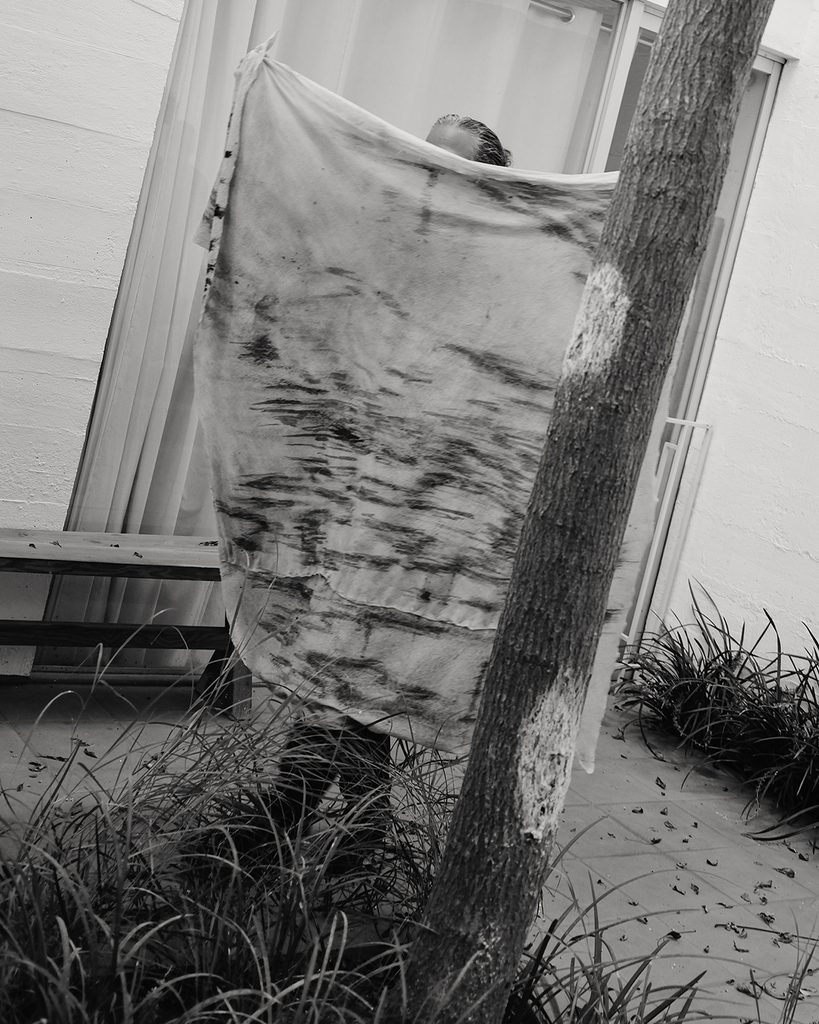
We approach yanchama as a second skin, a living surface where the boundaries between the human body and the natural world become permeable. Through fibers, mud and natural resins, we explore forms that emerge from these cycles of growth, transformation and regeneration. Forms that belong neither entirely to nature nor to culture, but exist somewhere in between.
02 / WATER CYCLES
Invisible Rivers
Water is never still.
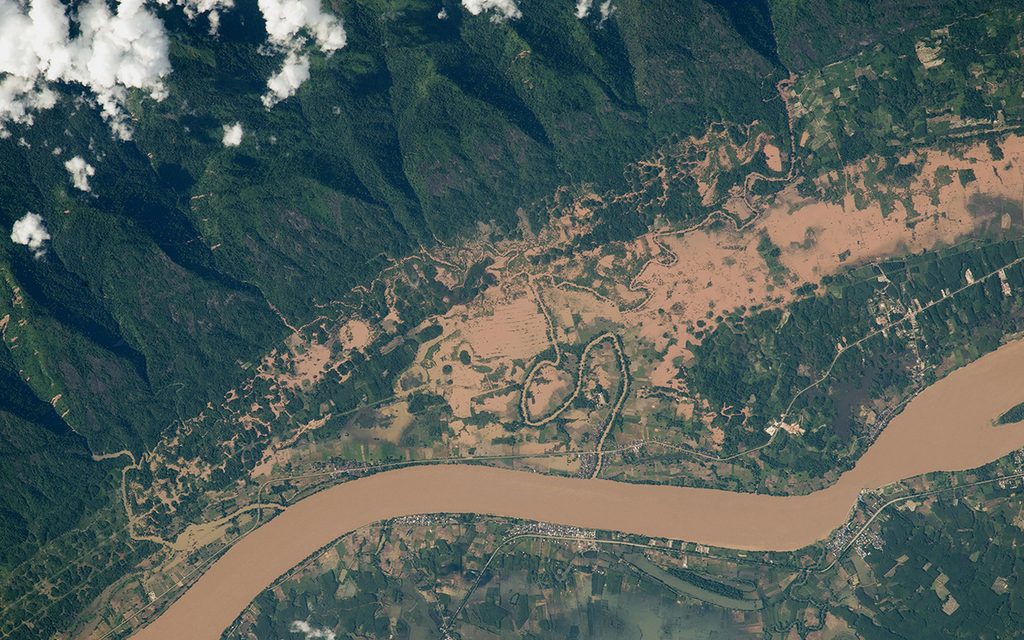
Driven by the energy of the sun and the movements of the Earth, it circulates between oceans, atmosphere, forests and living bodies.It evaporates, condenses, falls as rain, infiltrates the soil and rises through the roots of trees. Every movement belongs to a larger cycle.
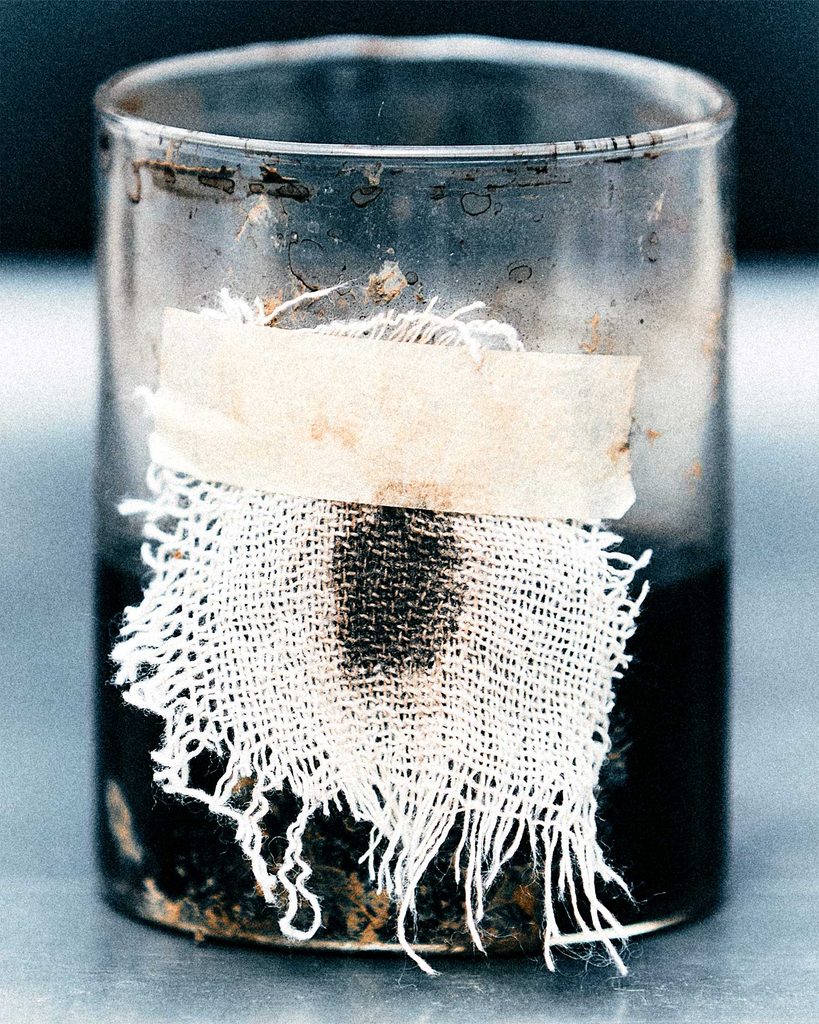
Through these cycles, water carries minerals, sediments and nutrients across territories. It transforms landscapes, generates new forms and sustains the diversity of life. We began imagining the interior of a tree as a landscape of rivers, where water moves through invisible channels, leaving traces of its passage.
Water crosses borders without erasing differences.
It connects distinct environments and organisms through continuous processes of exchange and transformation.
Through drawing and material experimentation, we seek to make these invisible movements perceptible. Working with yanchama, mud and resins, we explore how the movement of water can become matter.
03 / ENCOUNTER
Jessica Soria
Together with the artist Ana Teresa Barboza, our encounter with Jessica Soria, a Shipibo-Konibo artist from Pucallpa, began at the Ruraq Maki fair in Lima.
Coming from different territories and cultural backgrounds, we discovered a shared curiosity about nature, artistic practice and material knowledge.
Jessica began visiting our studio, where we spent time drawing, experimenting and exchanging ideas about water, rivers, plants and the meanings embedded in different artistic traditions.
These encounters became a space where distinct ways of understanding the world could coexist.
Like water circulating between territories, knowledge began to move between us, connecting different experiences and perspectives.
Rather than seeking a single common language, we became interested in what could emerge through the encounter of different languages.
An Unfinished Dialogue
The COVID-19 pandemic interrupted our encounters.
Jessica passed away during the pandemic, leaving the possibility of a collaborative work unfinished.
What remained were the conversations, shared experiments and knowledge she had generously offered.
Years later, we returned to these experiences.
MUD emerged as a continuation of that dialogue, honoring her memory through the questions and relationships our encounter had opened.
The project does not seek to reproduce her artistic language, but to explore the space of relation that existed between us.
A space where different cultural perspectives can meet, transform and generate new possibilities without losing their singularity.
04 / PROCESS
Matter in Movement
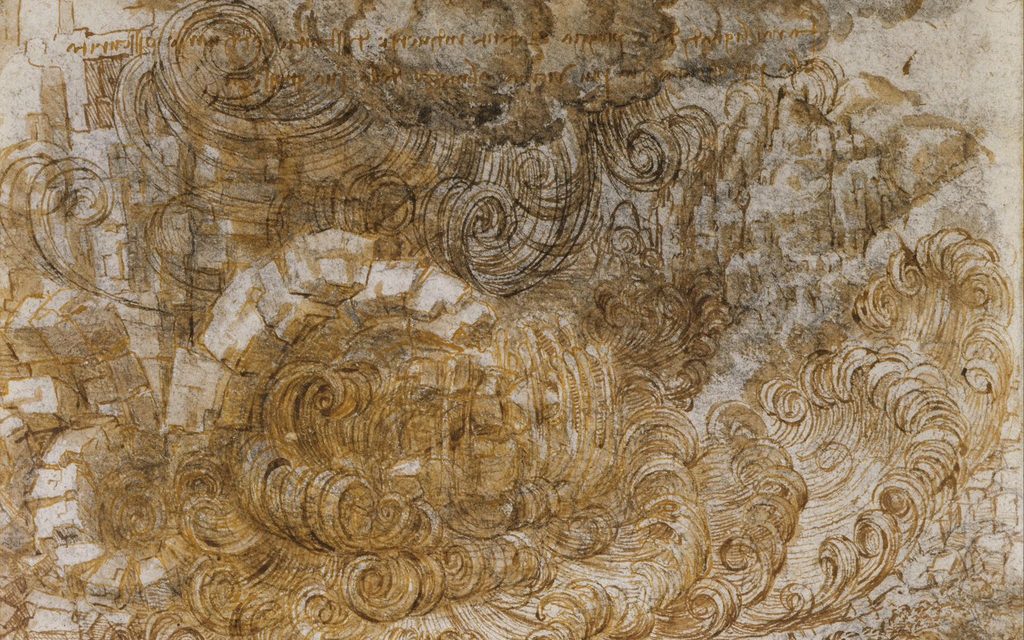
Mud, bark and resins are materials in constant transformation.
Each carries the memory of natural cycles: erosion, growth, sedimentation and regeneration.
We work with these materials through observation and experimentation, allowing their physical qualities to influence the development of each piece. Fibers absorb, mud settles, resins flow and surfaces change. The process becomes a dialogue between human intention and the behavior of matter.
We are interested in the moments when control gives way to transformation.
When materials meet, their boundaries become less defined. They merge, overlap and generate new textures. Like territories connected by water, each material maintains its own identity while becoming part of something larger.
The resulting forms are traces of these encounters, records of movement, energy and time.
5 / LIVING MATERIAL
Cycles of Regeneration
Every material belongs to a larger living system.
Yanchama emerges from the tree, mud from the movement of water and sediments, and resins from the internal processes of plants.
Their existence depends on cycles of sunlight, water, energy and regeneration.
Working with these materials invites us to reconsider the relationship between human activity and the natural world.
Certain forms of bark harvesting can allow trees to remain alive and regenerate, depending on the species and techniques involved.
We are interested in understanding these processes through practices that respect the regenerative capacities of living ecosystems.
Sustainability is not simply a property of a material, but a relationship between the ways we extract, transform and return to the territory.
We understand nature not as an external resource, but as a network of interdependent relationships.
A living system in which humans, animals, plants, micro-organisms, water and materials participate in continuous cycles of exchange.
06 / IN PROGRESS
Territories in Relation
MUD moves between the Amazonian forest and the contemporary studio.
Between traditional knowledge and material experimentation.
Between different territories, cultures and artistic languages.
We understand these encounters as part of larger cycles of exchange and transformation.
Like water moving between landscapes, ideas circulate, influence one another and generate new possibilities.
Water crosses borders without erasing differences. Through its movement, it connects distinct environments and creates the conditions for diversity.
Our artistic practice emerges from this understanding of relation.
Presented in the context of Massimo Dutti — Art in Progress and Zona MACO, MUD reveals a process in which the boundaries between art, craft, design and territory become increasingly fluid.
The resulting objects are not simply representations of nature.
They are material traces of encounters, exchanges and transformations.
07 / PARTICIPANTS
A Shared Ecosystem
MUD emerges from a network of encounters between artists, craftspeople, researchers and collaborators.
Each brings a distinct understanding of materials, techniques and territories.
We see collaboration as a living ecosystem in which knowledge circulates rather than belonging to a single voice.
A continuous process of listening, exchange and transformation.
Like water connecting distant landscapes, these relationships create a shared territory without erasing the differences that give it meaning.
Individual contributions and credits will be included in the final publication.
MUD
Water, Cycles & Relations
Water moves between bodies and territories.
Driven by sunlight and energy, it circulates through the Earth in continuous cycles of transformation.
It carries matter, connects ecosystems and creates diversity.
Through these movements, boundaries become permeable and new relationships emerge.
We are not separate from these cycles.
We are part of their movement.
Water creates diversity through cycles of transformation.
⸻
RF STUDIO
In memory of Jessica Soria.